Approval Workflow Software
Approval controls tailored to your finance team
LEDGER helps finance teams automate approval workflows with configurable routing, staged reviews, granular permissions, period controls, and audit-ready records across purchasing, payables, journals, and close processes.
Build precise approval workflows without adding more manual review work
Create multi-step approval paths for invoices, purchase requests, journals, and other financial events. LEDGER lets you apply routing by amount, entity, department, role, or workflow stage so every transaction reaches the right reviewer with the right level of control.
Configure workflows that fit your operating model
Customizable workflows
Define sequential or multi-level approvals for the processes that matter most. LEDGER helps your team create review steps that reflect real finance policies instead of forcing generic routing.
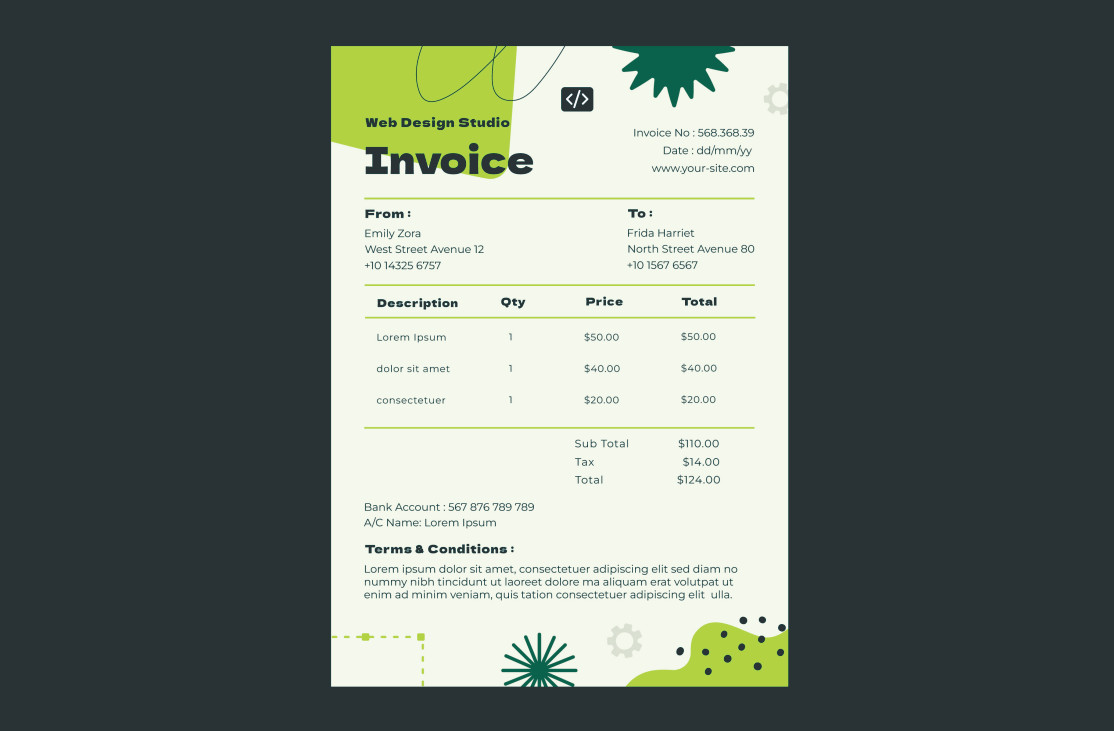
Granular permissions
Control who can submit, review, approve, edit, or post transactions. LEDGER supports role-based access so teams can scale user management without weakening internal controls.
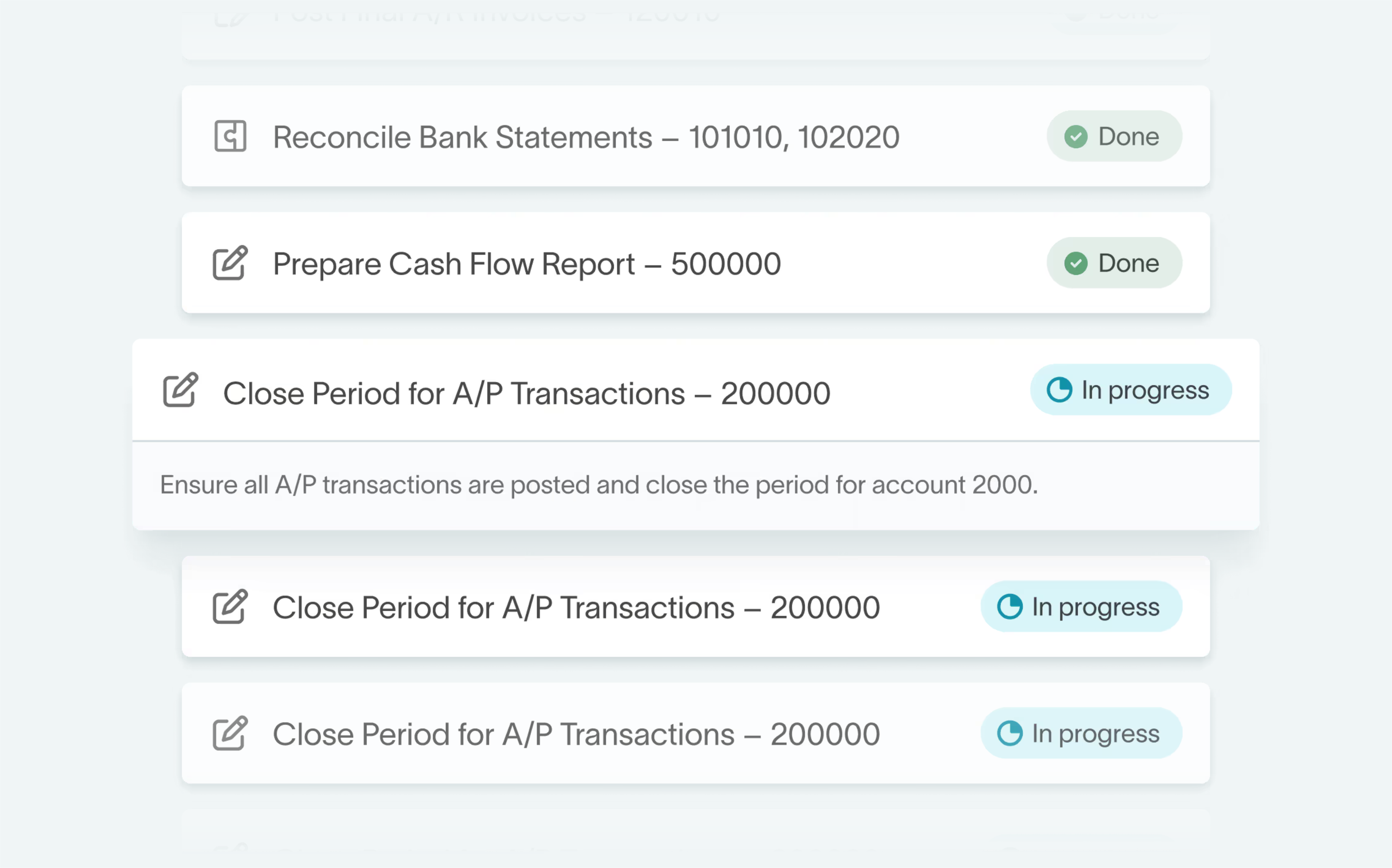
Protect the integrity of every accounting approval
Period locking controls
Lock transaction types by entity and accounting period to prevent late edits and preserve data integrity through close and reporting cycles.
Staged transactions
Let team members create records in a pending state while designated approvers validate details, request changes, and control final posting.
Audit-ready records
Keep a complete history of requests, approvals, timestamps, status changes, and posting outcomes so every workflow stands up to review.
Version visibility
Review how records changed over time and who made each update so controllers and auditors can trace decisions with confidence.
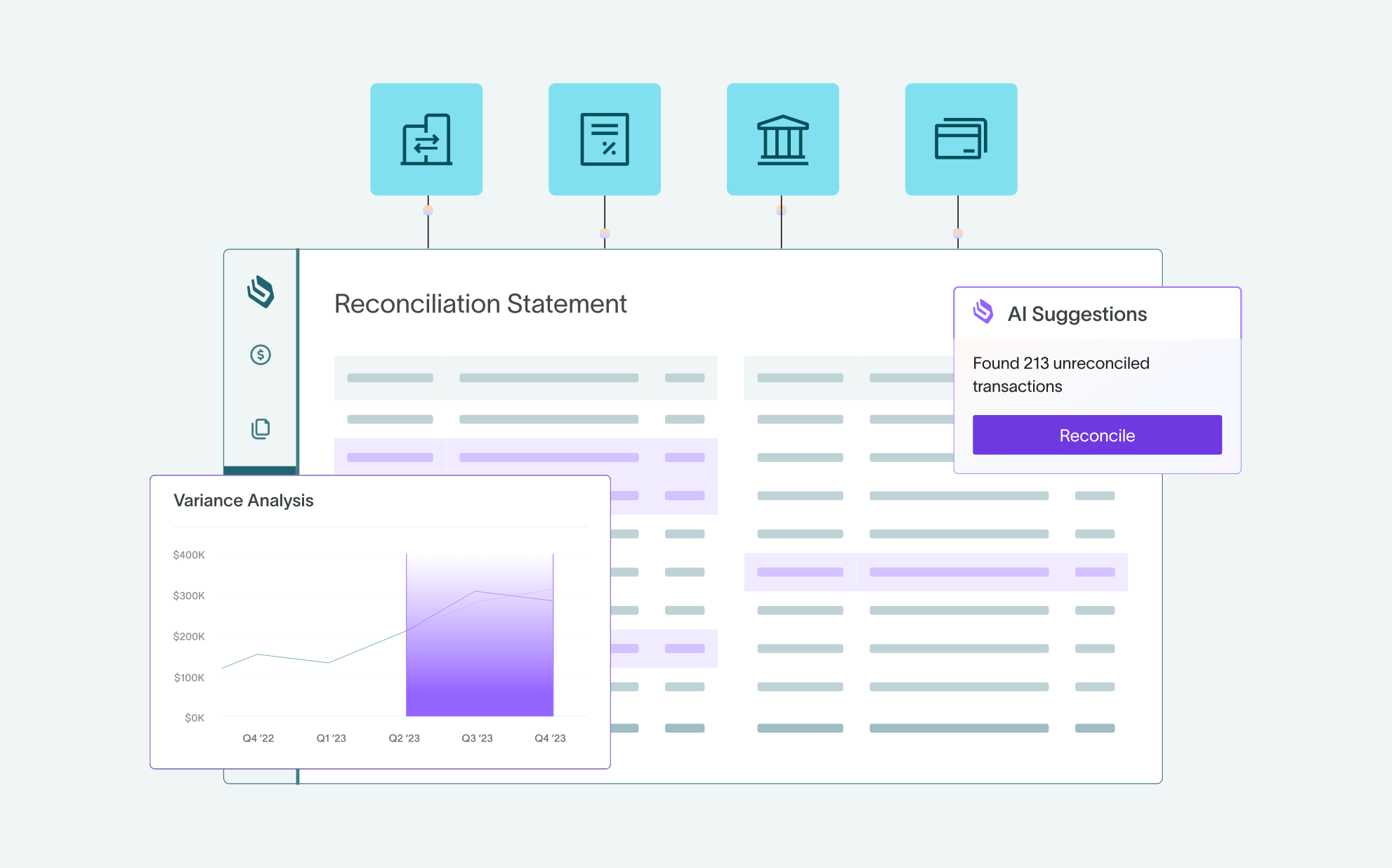
Activity tracking and audit trails
Track approver actions, timestamps, status changes, and workflow edits in one place. LEDGER keeps detailed records so your team can support internal reviews and external audits without rebuilding the story from spreadsheets or email threads.
AI-powered anomaly detection
Surface unusual activity, bottlenecks, and control exceptions earlier. LEDGER helps finance teams spot approval risks before they become posting errors, policy breaches, or audit issues.
Cross-functional alignment
Keep requesters, approvers, controllers, and auditors aligned with a shared workflow record. Notes, ownership, and approval status stay connected to the underlying transaction in LEDGER.
Make decisions with real-time approval visibility
Live workflow dashboards
Monitor approval queues, turnaround times, pending requests, and reviewer workloads in real time so finance leaders can keep operations moving.
Drill-down reporting
Move from high-level workflow metrics into the underlying transaction and approval history in a few clicks to investigate issues faster.
Control performance insights
Measure exceptions, rejections, escalations, and approval cycle times to improve policy design and strengthen governance as you scale.
LEDGER Approval Workflow Software FAQ
Approval workflow software helps organizations automate how requests, transactions, or records move through review and sign-off steps. In finance, that usually means configurable routing, tiered approvals, and a clear log of every decision.
The best approval workflow software combines flexible routing with strong controls. Finance teams usually need role-based access, audit trails, period controls, status visibility, and reporting that connects approvals to the transactions they govern.
A workflow covers the full path a transaction or task follows from submission through posting, reporting, and resolution. An approval process is one part of that workflow where reviewers validate and authorize the next step.
LEDGER can automate approvals for purchase orders, vendor invoices, payments, journal entries, close tasks, budget updates, and other finance workflows where teams need routing, review accountability, and posting controls.
Yes. LEDGER supports multi-level approval workflows with configurable review steps, role-based permissions, tracked status changes, and audit trails that show who approved what and when.