Cost Allocation Software
Smarter, faster, more accurate allocations
LEDGER gives finance teams an AI-native ERP workflow for shared cost, asset, and revenue allocations with dynamic rules, recurring templates, and cross-entity scheduling in one controlled system.
Run allocations inside the same ERP that powers your close
LEDGER connects allocation logic directly to your entities, dimensions, and general ledger so finance teams can standardize recurring rules, post cleaner journals, and reduce spreadsheet-driven rework every period.
Automate every step of cost allocation
Dynamic allocations
Configure LEDGER to distribute balances across entities, departments, locations, products, or projects using the methods that fit your finance model. Allocation entries are generated consistently and stay tied to the broader close workflow.
Cross-entity scheduling
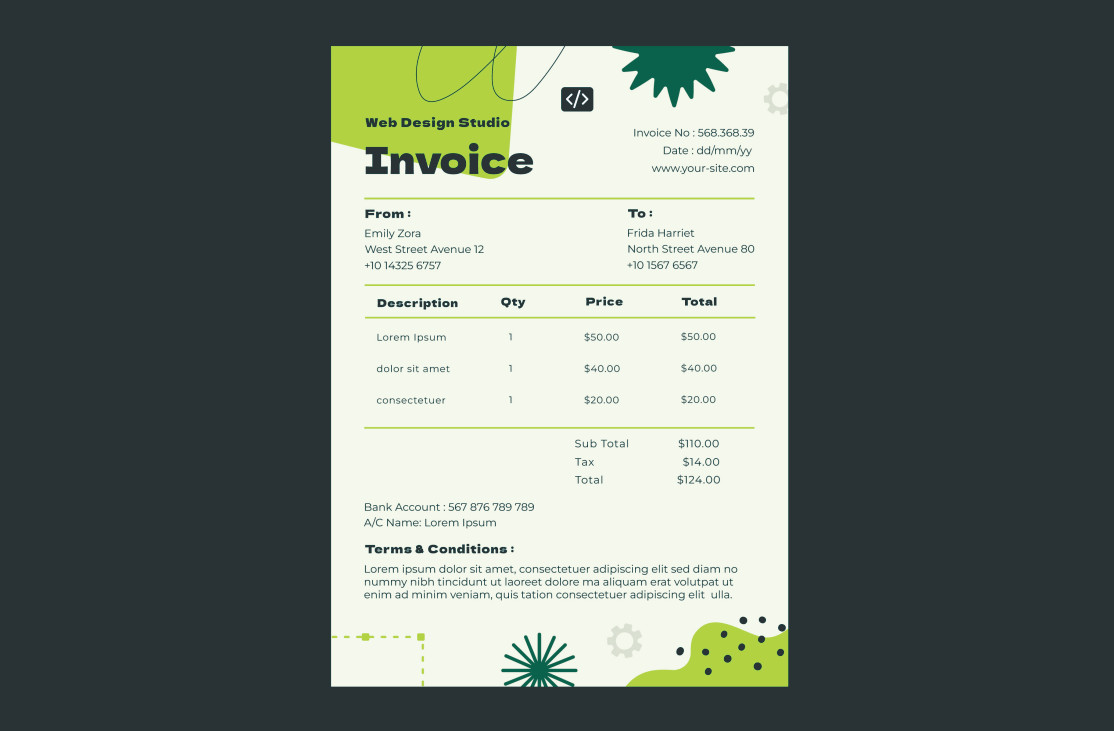
Schedule recurring allocations across subsidiaries and reporting periods in a few clicks. LEDGER helps controllers keep shared-cost workflows accurate, timely, and easier to review across the organization.
Build repeatable allocation workflows
Recurring templates
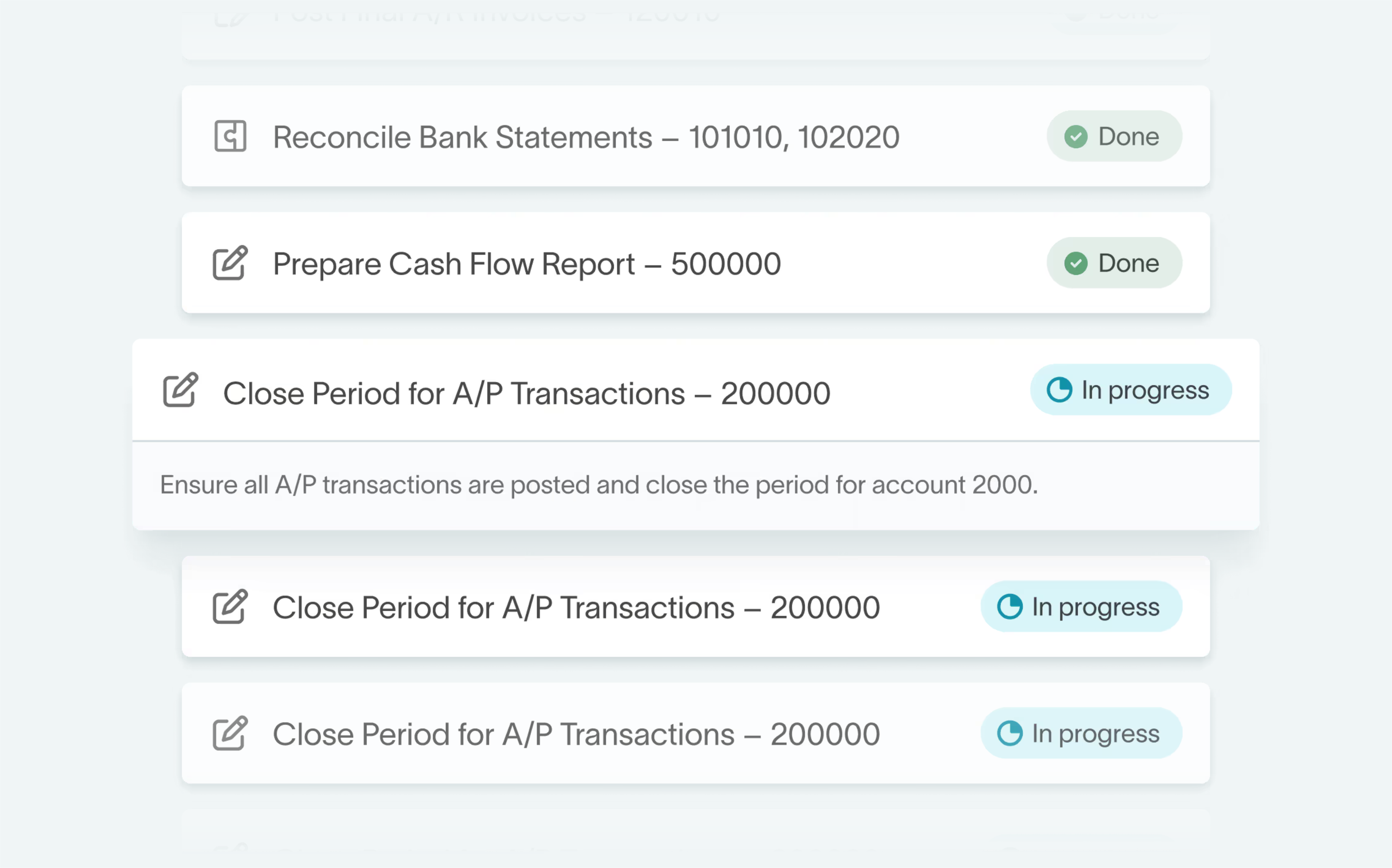
Save allocation logic once in LEDGER and reuse it across monthly, quarterly, or event-driven processes without redefining rules every cycle.
Flexible drivers
Apply headcount, square footage, usage, revenue, or custom drivers across LEDGER dimensions to support the right methodology for each allocation scenario.
Automated journal creation
Post consistent, audit-ready allocation entries directly into the ledger so your team can review outcomes instead of manually building and rekeying journals.
Exception visibility
LEDGER surfaces unusual balances, missing inputs, and workflow bottlenecks early so reviewers can resolve issues before they turn into post-close adjustments.
Allocation impact analysis
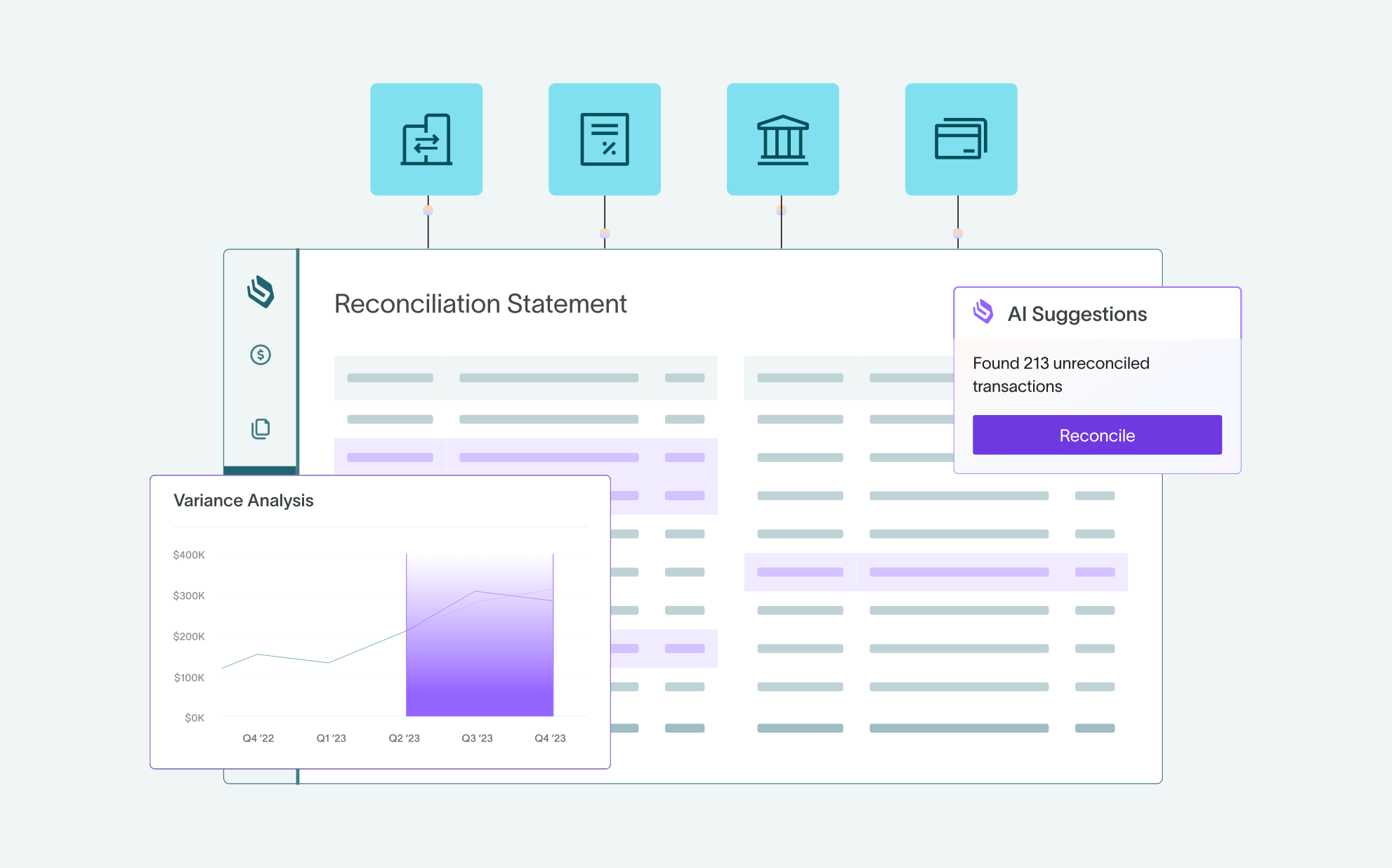
Compare methods, validate results, and understand how allocation changes affect departments, entities, and reporting outcomes before journals are finalized in LEDGER.
Detailed audit trails
Drill down from allocation results to source data, calculation logic, and journal entries so finance teams can support reviews and audits inside the same LEDGER workflow.
Collaborative reviews
Keep discussions, notes, approvals, and follow-up tasks directly inside LEDGER allocation workflows so teams stay aligned and every decision remains documented.
Make data-driven allocation decisions
Live dashboards
Track recurring allocation activity, execution status, and the financial impact of shared-cost policies in real time from LEDGER dashboards built for finance teams.
Custom allocation reports
Create reports for allocated balances, intercompany distributions, cost-center performance, or management review without exporting data out of LEDGER.
KPI tracking
Monitor allocation throughput, exceptions, manual overrides, and cycle times to improve process quality as your finance operation scales on LEDGER.
LEDGER Cost Allocation Software FAQ
Cost allocation software helps finance teams distribute shared costs, assets, or revenues across departments, entities, products, or projects using consistent rules and automated accounting entries inside a controlled workflow.
Common costs are usually allocated using drivers such as headcount, usage, revenue, square footage, or transaction volume. LEDGER helps teams apply the chosen methodology consistently and document how every amount was distributed.
The easiest method is the one that matches your business model and can be applied reliably. For many teams, the real improvement comes from automating the selected method with templates, schedules, and review controls rather than simplifying the accounting logic itself.
LEDGER automates cost allocations with configurable rules, recurring templates, cross-entity scheduling, automated journal generation, drill-down audit trails, and real-time reporting connected to the general ledger and close process.